Mayan Calendars
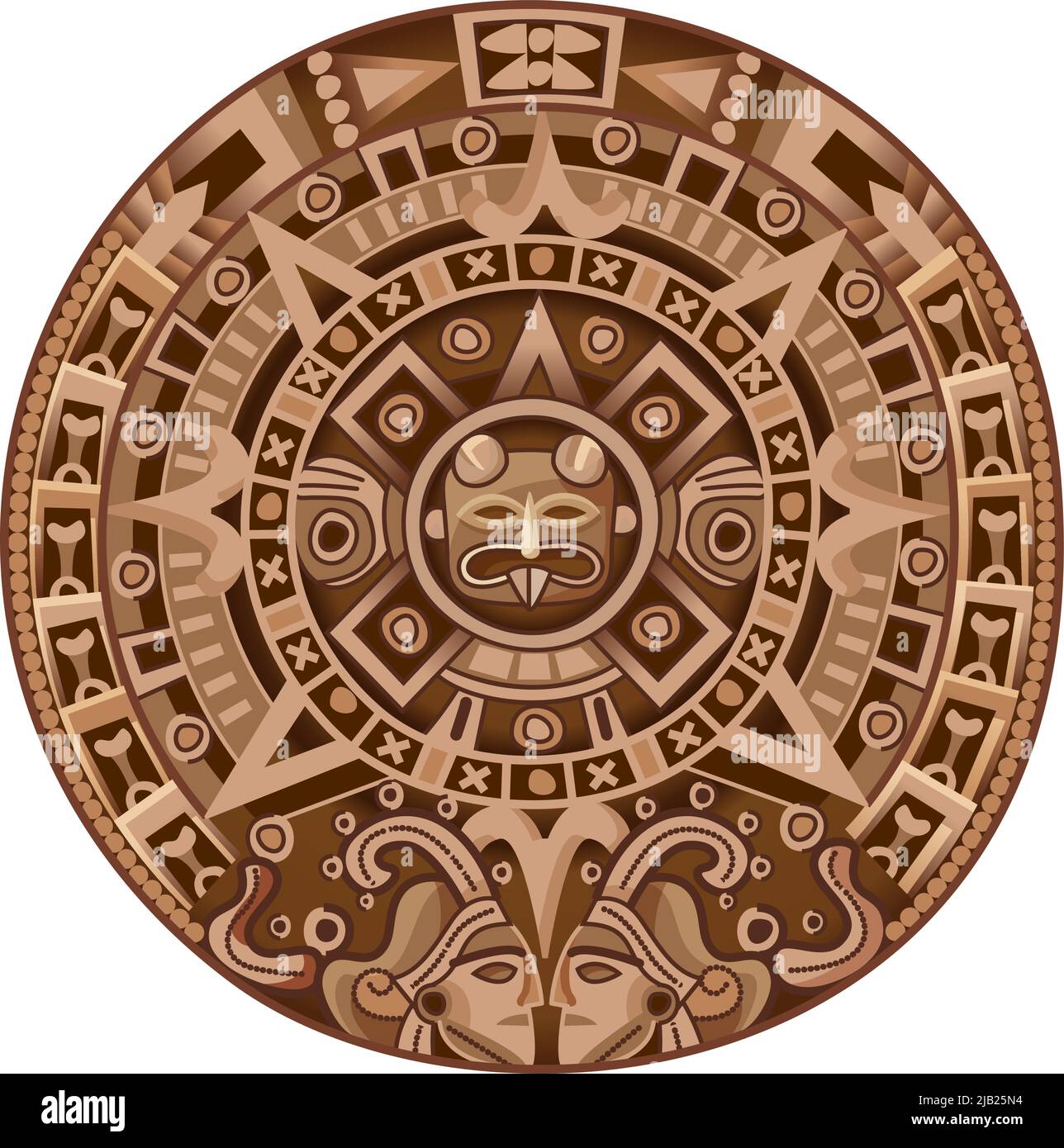
The Mayans developed very accurate predictions of orbits in Mesoamerica. The astronomical records required to make these observations must have been a collection of several centuries of astronomical data. They developed 3 overlapping calendars.
Religious use
The Ancient Mayans tracked the movement of celestial bodies closely because certain religious beliefs were tied with the planets and moon. They had a 260 day sacred calendar made of 13 days repeated in 20 cycles. They had religious beliefs based on the appearance of celestial bodies, including Venus. Venus appearing at sunrise signified success in war.
Solar Calendar
The Ancient Mayans had a solar calendar consisting of 19 months. 18 of these months consisted of 20 days, and the final month of five days closed off the year at 365 days. This calendar overlapped with the sacred calendar to create a 52 year cycle between these 2 calendars.
Long Count
The Mayan used a long system to count cycles. The system was extensive and repeated only once every 5128 years. The ending of the long cycle of these three calendars after 5128 years occurred on December 21, 2012. Some people thought that this meant that they predicted the end of the world, but the ancient Mayans believe in time repeating itself.
Survival of records
Most of the Mayan calendars were adopted by the Aztecs. When the Aztecs were conquered by the Spanish, the records were ordered to be destroyed. Most surviving records were those kept by Spanish soldiers against orders. The records reappear later in points throughout western Europe and were named for where they appeared.