Design Thinking Notebook · Stage 1 of 5
Empathize
Set assumptions aside and understand the real people behind the problem: their motivations, their workarounds, and how the problem makes them feel.
Initial Assumptions
Our best guesses before research.
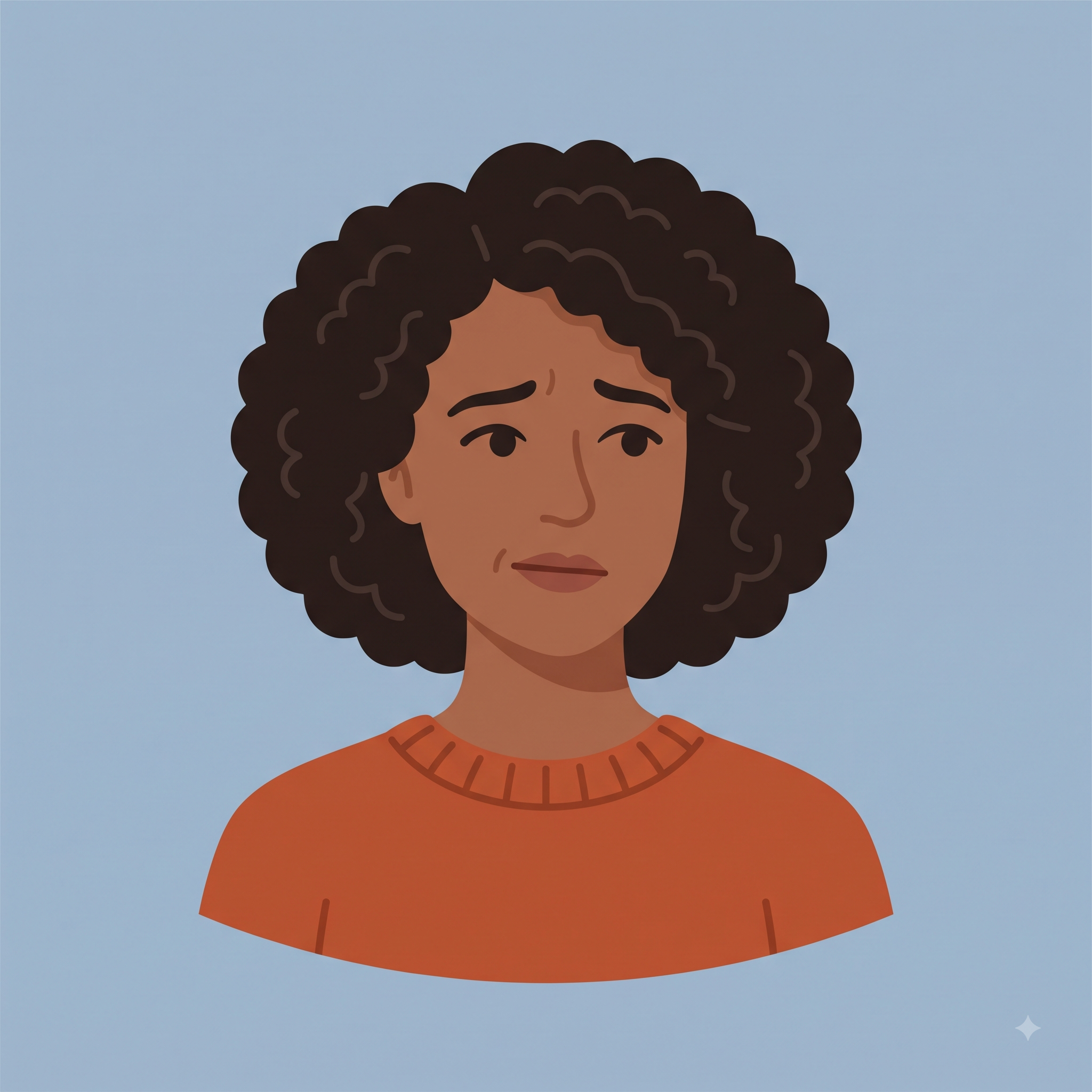
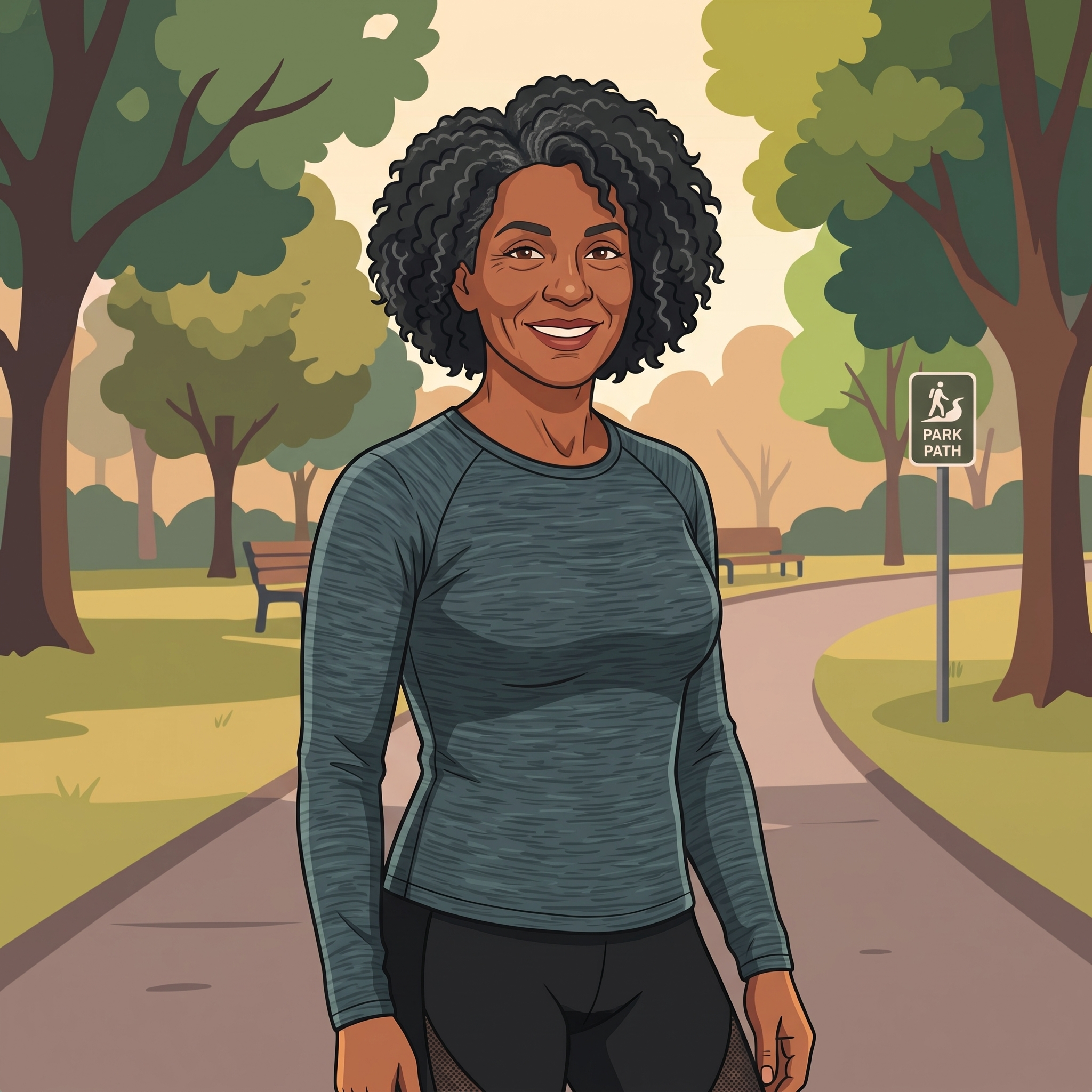
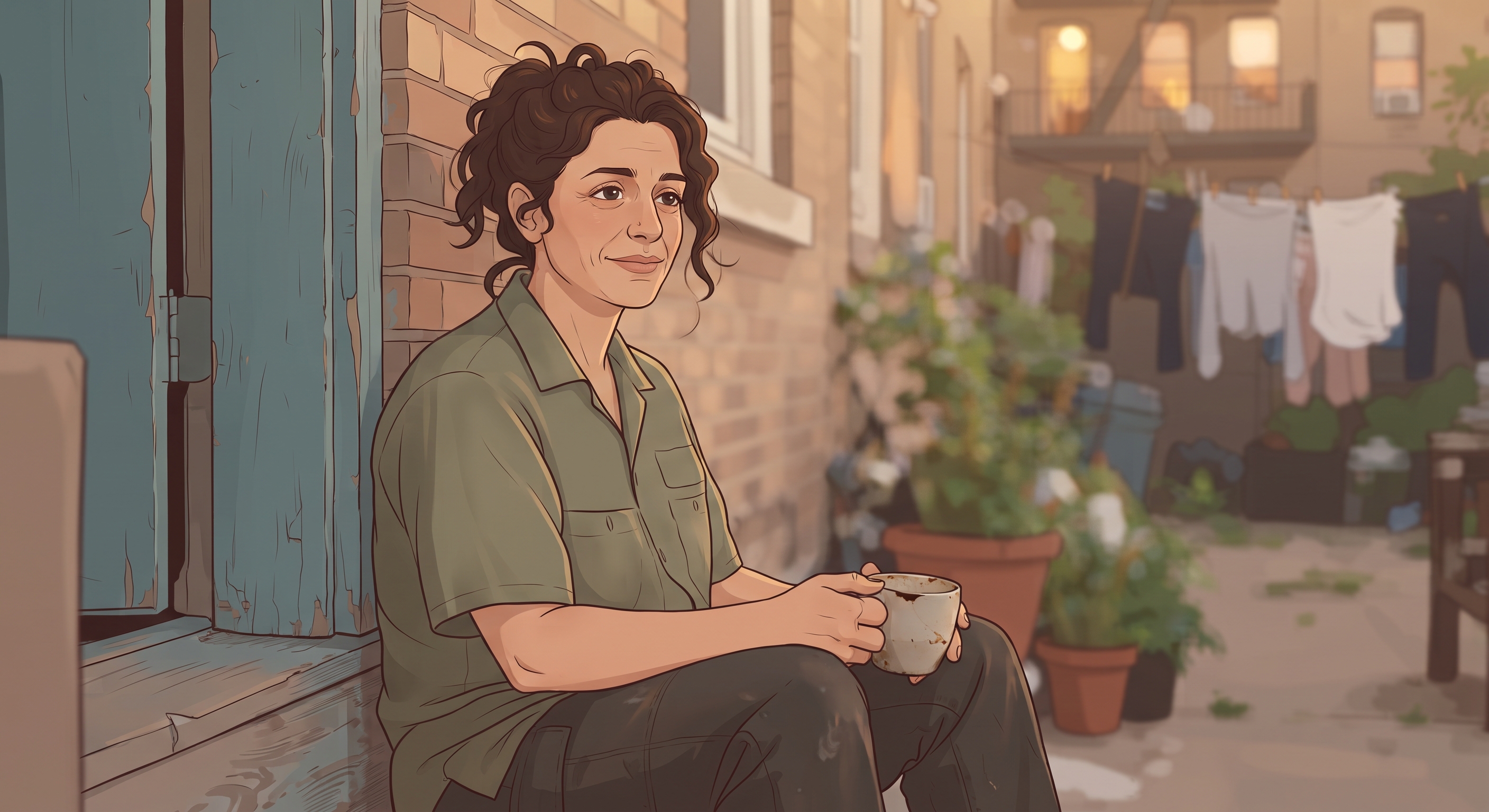
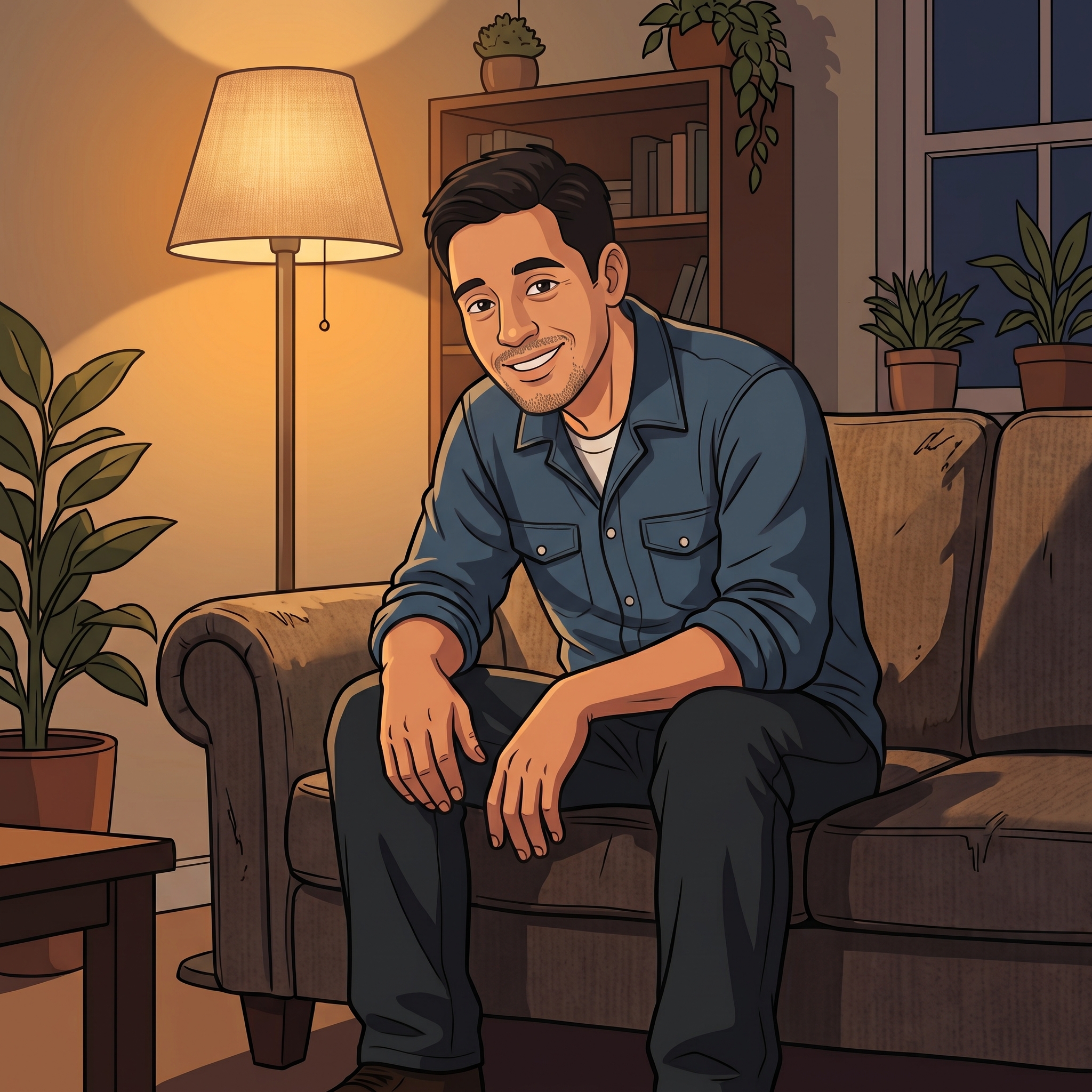
Our target audience is people who struggle with a vice. This cuts across substances (alcohol, drugs) and behaviors (gambling, compulsive shopping, phone/scrolling, food). What they share isn't the specific vice but a common pattern: when a painful or uncomfortable feeling shows up, whether stress, loneliness, boredom, or emptiness, they reach for something that gives them a quick escape they can't easily sit still without. Many also share a history of pain, trauma, or self-medicating, and a sense of alienation or isolation. Scenario: It's late at night and Jordan is alone after a stressful week. The apartment is quiet, they've stopped answering texts from the people who usually keep them steady, and that restless empty feeling sets in. Reaching for their vice feels less like a decision and more like autopilot. The choice was practically made hours earlier, when the stress first hit and went unaddressed.
Peace of mind, but more precisely, relief. They're not chasing a good time so much as trying to quiet the noise in their head. The drivers underneath are wanting to forget, instant gratification, escaping a feeling they can't tolerate, and sometimes self-medicating pain or trauma. The vice is just the delivery mechanism; the real motivation is emotional escape.
Right now they're coping through the vice itself and a chain of smaller unhealthy choices that lead up to it: isolating and going quiet, skipping the routines that keep them steady (sleep, meals, checking in with people), small lies and covering their tracks, and romanticizing past use. Formal help exists (hotlines, therapy, support groups) but is often avoided because reaching out feels hard, especially in the isolated, late night moments when it's needed most.
Before: stress, pain, loneliness, restlessness, and an empty or hopeless feeling. After: shame, guilt, and disappointment in themselves, which becomes its own trigger and feeds the next cycle. Underneath it all can run deeper feelings of hopelessness and financial strain, and in serious cases, suicidal ideation.
User Interviews
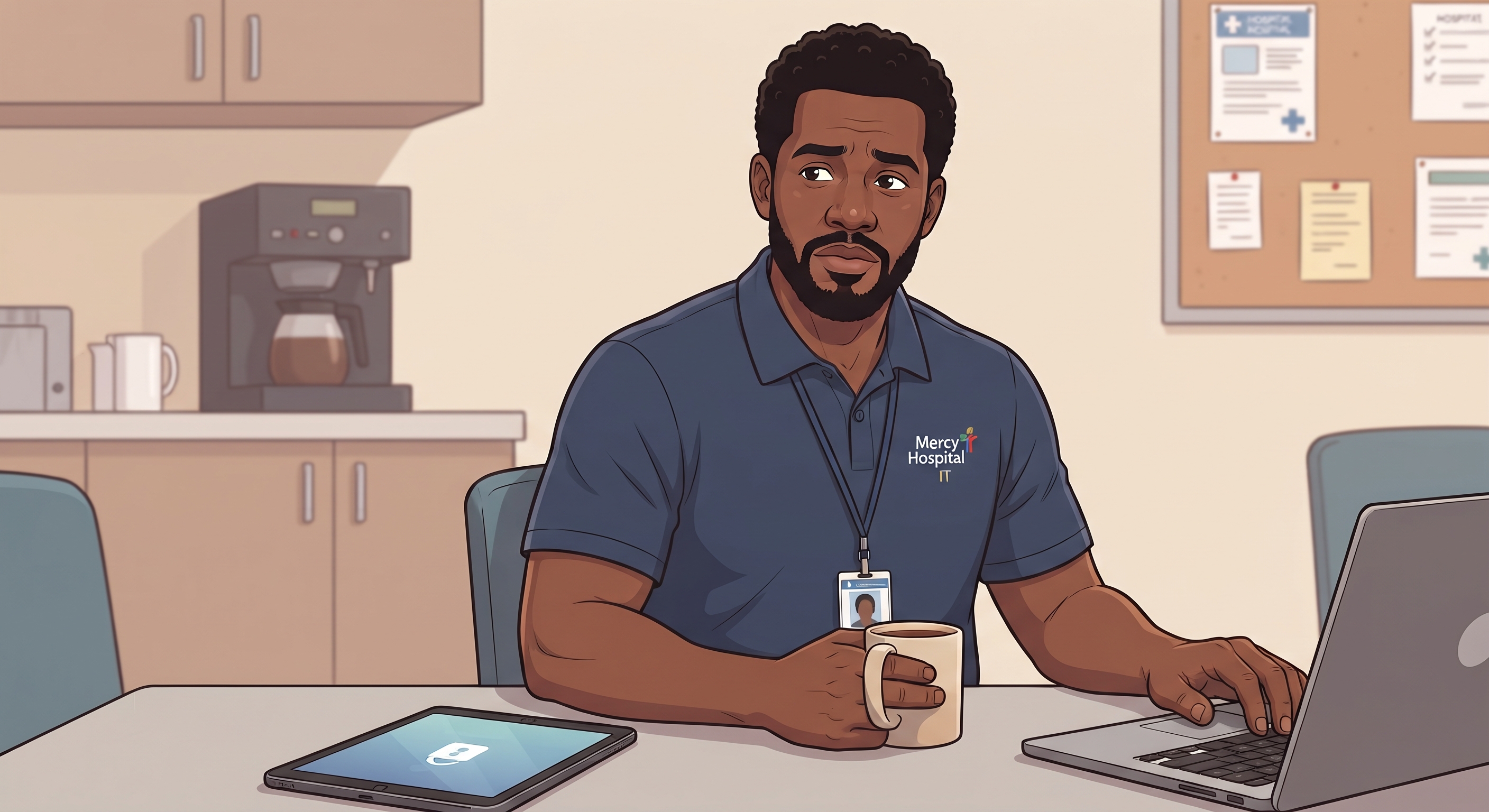
Rodney · 43 · IT at a large hospital · real interview
-
Q4
When you reach for it, what are you usually feeling or needing in that moment?
Rodney said"I'm thinking I want to relax. I want to escape or pass out." -
Q13
Who in your life knows about this? Is it easy or hard to talk about?
Rodney said"You're probably the only person who knows the extent of it. With other people there's some shame. I don't really tell people." -
Q14
Where do you draw strength from?
Rodney said"From being useful to people. Knowing that doing something can help somebody helps me get through stuff. The desire to be helpful, and the hope that I can accomplish that." -
Q16
When you picture things going well, what does a normal day look like?
Rodney said"Me being with somebody, having a family, being financially stable, more physically fit, being a reliable resource to people." -
Q19
What's one thing you wish people understood?
Rodney said"How lonely it is sometimes."
Felicia · 34 · composite · from r/getdisciplined forum
-
Q1
What are some things you reach for to unwind or feel good?
Felicia said"Cigarettes, junk food, a drink when it's been a day. I know it's bad for me and I wouldn't tell anyone else to do it, but I still do." -
Q4
When you reach for it, what are you usually feeling or needing in that moment?
Felicia said"I just want to feel good, or at least stop feeling bad. My brain seeks pleasure and avoids pain; it doesn't care about the consequences in that moment." -
Q8
Are there certain times or situations when you're more likely to?
Felicia said"When I'm on autopilot. It's like I'm running on old beliefs instead of actually choosing. The brain clings to what's familiar over what's better for me." -
Q12
Have there ever been times you wanted more of a handle on it?
Felicia said"It took me years to work up the bravery. What helped was figuring out the underlying cause instead of white-knuckling it. Therapy helped, and slowly replacing it with something healthier." -
Q19
What's one thing you wish people understood?
Felicia said"It's not about being weak or stupid. Nobody taught us anything else, and we're up against a whole world designed to keep us hooked."
Gerald · 38 · unemployed (former retail) · AI roleplay (Gemini)
-
Q2
When did that first become part of your routine? What was going on back then?
Gerald said"Nineteen or twenty. Working retail, scheduled 37 hours so they wouldn't owe me insurance, helping my moms keep the power on. My uncle drank on this same porch after twelve-hour shifts. First drink with him, I thought, 'This is how you stop feeling like you're drowning for an hour.'" -
Q3
What does “feeling good” actually look like for you?
Gerald said"Quiet. The noise stopping. Not worrying about rent for twenty minutes. A quiet chest instead of that knot in the stomach feeling." -
Q7
How do you feel before, and how do you feel after?
Gerald said"Before: anxious, angry, desperate. After: heavy, numb, relief until morning. Then the hangover, the tire's still flat, and I've got twelve dollars instead of twenty-two. That's when the guilt settles in." -
Q14
Where do you draw strength from? Walk me through the last time.
Gerald said"My younger sister, first in our family in community college. Her laptop broke and she was ready to drop out. I took eighty bucks I'd usually blow over two weekends and got her a refurbished one. Seeing her face, I felt like a man instead of a screw-up." -
Q15
What do you want more of in your life?
Gerald said"Stability. To wake up and not instantly calculate what's left in checking. Peace that doesn't come out of a bottle."
Ricardo · 28 · B2B software sales · AI roleplay (Gemini)
-
Q5
What's usually going on for you when you want to unwind like that?
Ricardo said"The silence after a long day. I get home around 7, sit on the couch, and the anxiety creeps in about where my life is going. So I open the app. Suddenly the evening has high stakes and a purpose." -
Q6
Take me back to the last time. Where were you, and what was going through your head?
Ricardo said"Last Tuesday, kitchen counter, 11:30 PM. I'd lost $300 on a basketball game and switched to live roulette to get it back. 'Just get back to even, then delete the app.' Stayed up till 3 AM. Didn't get back to even." -
Q10
How does it fit into your day? Anything you'd change if you could?
Ricardo said"It's integrated into everything, I check odds in traffic, in meetings under the desk, watching TV. If I could change one thing, I'd take away the accessibility. A casino in my pocket 24/7 makes it almost impossible to escape the impulse." -
Q12
Have there ever been times you wanted more of a handle on it?
Ricardo said"Last year I self-excluded for three months. My head was clear, I saved money, slept eight hours. Then football season, a new app with a 'free bet' promo, and I convinced myself I could play casually. Two weeks later, right back." -
Q17
If a friend was in the same spot, what would you want them to know?
Ricardo said"The high isn't worth the quiet toll. The app is engineered to make you feel one smart move from winning, a game you aren't meant to win. And you don't have to carry the secret alone."
Kai · 58 · part-time art teacher · AI roleplay (Claude)
-
Q3
What does “feeling good” actually look like for you?
Kai said"Quiet. When I'm running hard enough, the noise stops, the self-consciousness, replaying who looked at me funny. I'm not chasing a high. I'm chasing quiet." -
Q9
When do you feel most like yourself?
Kai said"Teaching. Paint everywhere, helping a shy kid realize they can make something. That's when I forget to monitor myself. That's the version of me I like best." -
Q11
How do the people in your life fit into this?
Kai said"My partner stopped asking me to skip a run to stay in. I've trained the people I love not to expect my time. I've chosen the pavement over them more than I'd like to admit." -
Q18
Looking back, is there anything you wish had gone differently?
Kai said"I wish I'd learned to sit with discomfort instead of outrunning it. I got so good at not feeling things. I'm 58 and only now learning that some things you have to just feel." -
Q19
What's one thing you wish people understood?
Kai said"A coping thing can wear a healthy costume and still have you by the throat. Nobody worries about the woman who runs. But I'm out there on a bad hip, alone, chasing quiet, that's not so different, is it?"
Genovese · 33 · server + hotel housekeeper · AI roleplay (Gemini)
-
Q2
When did that first become part of your routine? What was going on back then?
Genovese said"I smoked socially back home in Genoa. It became a survival tool two years ago, after we moved to the U.S. My ex-husband left us, alone in a country where I barely spoke the language, two toddlers, no family. I found an old pack, went on the fire escape, and lit one. It felt like I could finally take a deep breath." -
Q10
How does it fit into your day? Anything you'd change if you could?
Genovese said"It's squeezed into the margins, early morning on the balcony, between jobs, late at night. I don't love smoking. I love the permission it gives me to stop moving. I wish I could just stop moving without needing a cigarette as an excuse." -
Q13
Who in your life knows about this? Is it easy or hard to talk about?
Genovese said"Nobody here knows the extent. My family in Italy thinks I'm living the American dream, I send good pictures. I'm too proud to tell them how hard it is, too ashamed to say I smoke a pack every two days just to keep from crying." -
Q15
What do you want more of in your life?
Genovese said"Time. To listen to a long silly story without checking my watch. Sleep. To feel like I'm living a life, not surviving a schedule." -
Q17
If a friend was in the same spot, what would you want them to know?
Genovese said"You are not weak. You're carrying a mountain, don't beat yourself up for how you grab a breath of air. Be gentle with yourself. Taking care of yourself isn't a crime."
Observation Notes
What we saw repeating across all our sources: 6 interviews and personas, an online forum, and our research. Different people, different vices, same patterns.
Patterns we observed across everyone
-
1
They're chasing quiet, not a good time.
What we sawAlmost everyone described the goal as making the noise stop, not having fun. Rodney: “escape or pass out.” Gerald: “the noise stopping.” Ricardo: “everything quietens down.” Kai: “I'm chasing quiet.” Genovese: “the absence of panic.” It's relief, not pleasure. -
2
The vice is interchangeable; the pattern underneath is identical.
What we sawEdibles, porn, smoking, drinking, gambling, compulsive exercise: six different vices, one story. Kai's “a coping thing can wear a healthy costume” proves it reaches even socially approved behaviors. Same move, different exit. -
3
The decision is made early, in the margins, not in the moment.
What we sawKai: “the deciding happened hours before, I was just waiting for permission.” Rodney: “once I get home I might do it.” Genovese fits it into transitions. The forum called it autopilot. By the time they reach, the choice already feels made. -
4
It's a bad solution to a real problem underneath.
What we sawThe vice medicates something deeper: loneliness (Rodney, Kai, Genovese), financial stress (Gerald, Ricardo), lack of self-love (forum). The forum said it best: bad solutions to real problems, and until there's a better solution, we default back. -
5
Loneliness and isolation sit underneath almost every story.
What we sawRodney: “how lonely it is sometimes.” Kai runs to avoid how alone the evenings get. Genovese names immigrant isolation and no support system. Everyone described distance from the people they love, both a driver and a cost. -
6
Shame and secrecy, but they hide the extent, not always the act.
What we saw“You're the only person who knows the extent of it” (Rodney). Ricardo hides the amounts. Genovese is too proud to tell family it's hard. Gerald: “nobody wants to sound weak.” Admitting it means admitting things aren't okay. -
7
Strength comes from mattering to someone, usually family.
What we sawRodney draws strength from being useful to people. Gerald and Ricardo both from a younger sister. Genovese from her kids. Being needed is the strongest lever we saw, worth building on. -
8
Quitting fails when nothing else in life changes.
What we sawGerald: “no other tools in the shed.” Ricardo relapsed on a single promo. Kai's rules made her feel like a failure. Genovese had no emotional room for withdrawal. The forum: you have to replace it with a healthier source of dopamine. This is the whole case for the menu. -
9
The crash after becomes the next trigger (the shame loop).
What we sawRelief is brief; guilt follows and feeds the cycle. Ricardo: “drained and hollow, self-disgust.” Genovese's wave of guilt over money and health. Being judged makes it worse, a hard design constraint against anything preachy. -
10
They want “permission to stop,” and don't even love the vice.
What we sawGenovese: “I don't love smoking, I love the permission it gives me to stop moving.” Gerald: “I don't even like the taste, I just like what it does.” The vice is a permission slip to rest. Give people that permission without it, and you've replaced the need.
Takeaway: six different vices, one shared human pattern. People reach for something to quiet a hard feeling, decided early, rooted in loneliness, kept secret out of shame, and hard to drop without another way to rest. Every one of these points became a design decision for our app.
Empathy Mapping
Based on our initial assumptions about our ideal user. We refine these quadrants with real interview data.