Evolution of Women's Clothing
1900's-2020's
By: Shaialynn & Amaya
- 1900's-1950's
- 1960's-1990's
- 2000's-2020's
In the 1900's fashion looked elegant, simple, extravagant hats, etc. It was common during that era for all the women to wear corsets. Some people who sparked up this influence are Paul Poiret and Jacques Doucet. The materials they used to make these items include cotton, linen, wool, silk, satin, velvet, chiffon, brocade, and lace.
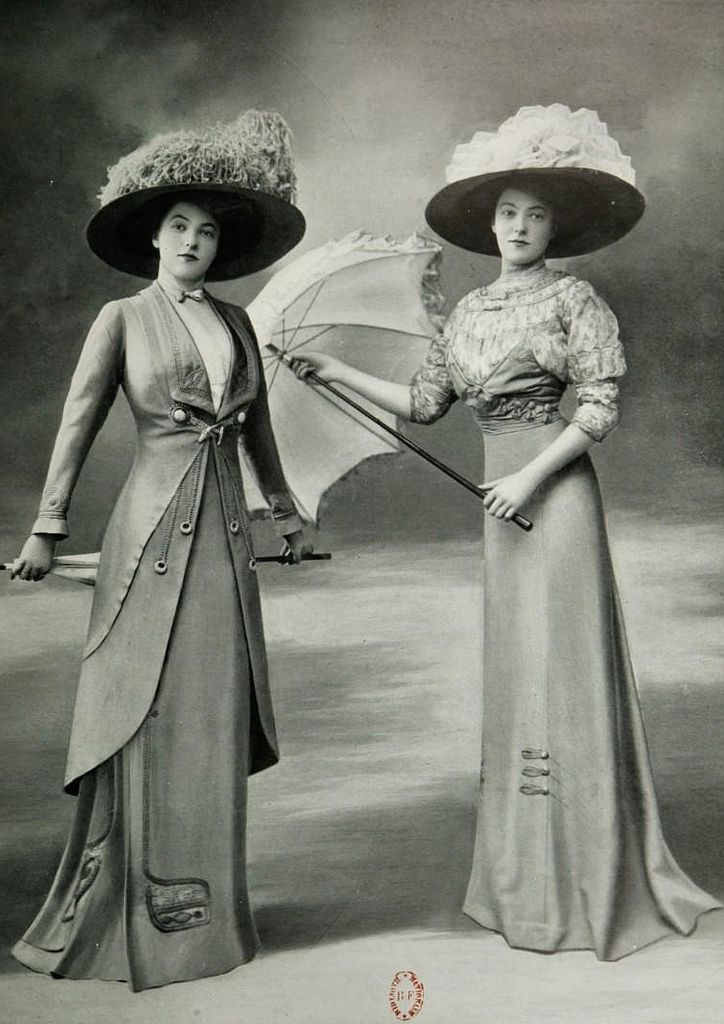
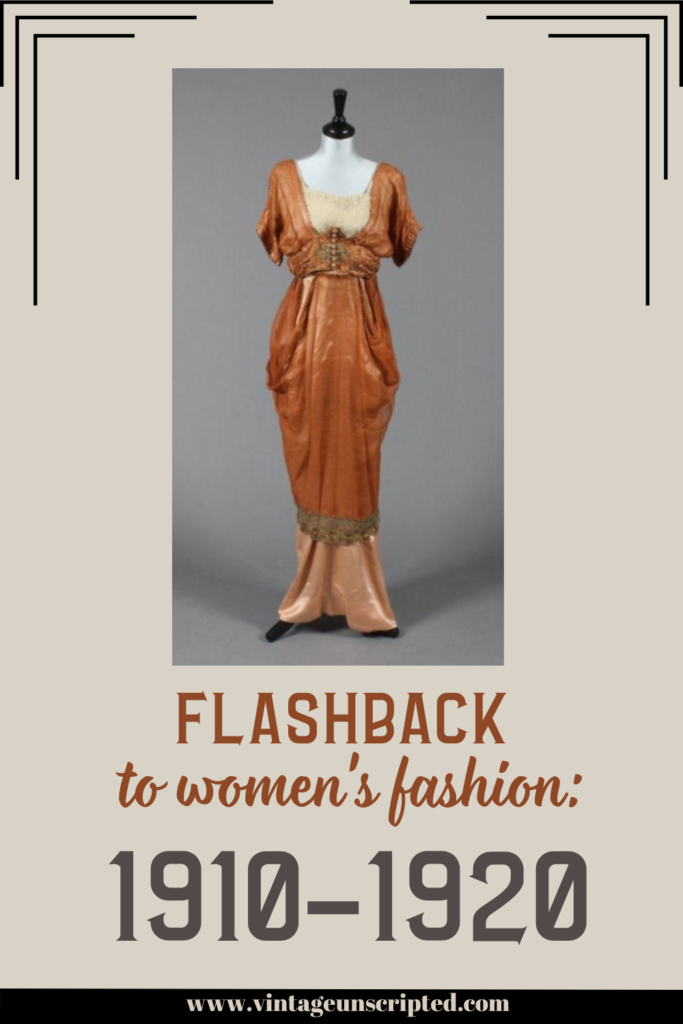
In the 1910's-1920's fashion was pretty similar to the 1900's fashion but it was less elegant and was much more comfortable. Simple hats, feathers in hair, and feather boa scarfs were all the rage! Some people who influenced this look are Paul Poiret and Gabriella Chanel. Some materials they used to make these clothes include otton, linen, wool, silk, and rayon.
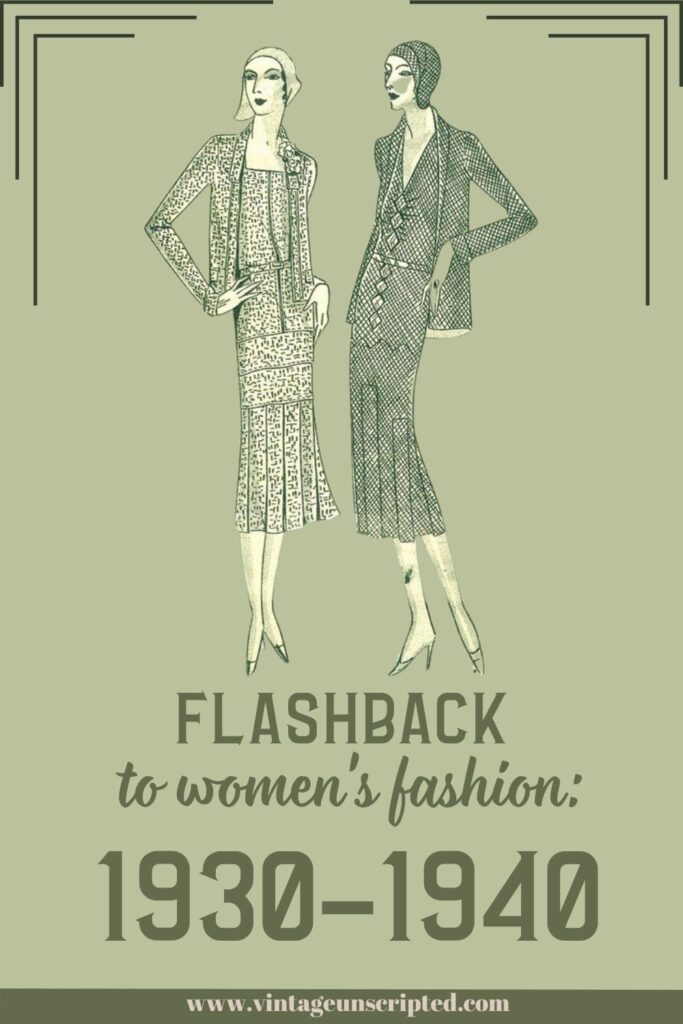
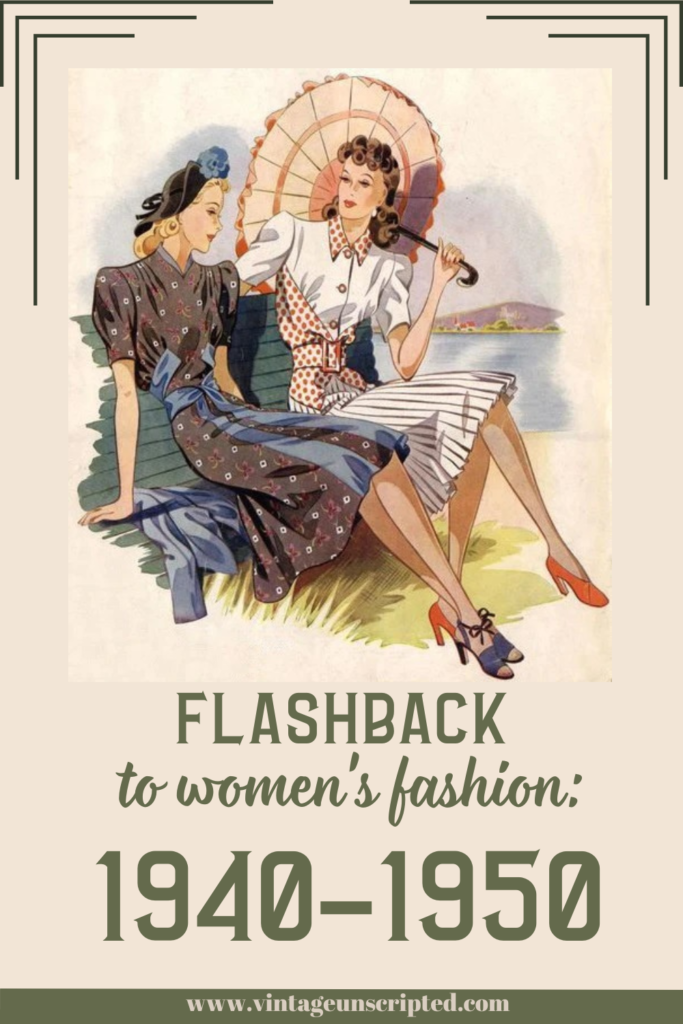
In 1930-1950 fashion was much more modern. They had simple dresses and little accessories and small handbags. Fashion was changed to this because of many inspriations from many people including Christian Dior and Hubert de Givenchy. The materials they used to make these outfits include cotton, wool, linen, rayon, nylon, silk, satin, and velvet.
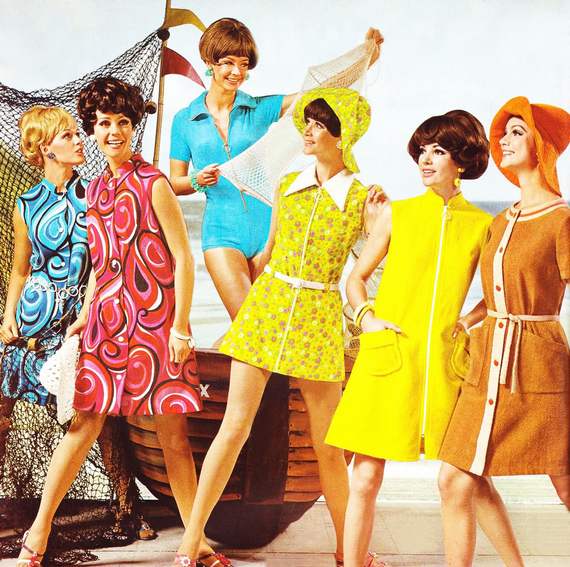
In the 1960's fashion was more comfortable and flexible for women. Short sleeves/no sleeves shirts, more revealing bathing suits, bathing caps, and new fun patterns were the biggest fad! Pants also became socially acceptable for women to wear, people who heavily influecened this change are Amelia Bloomer and Elizabeth Smith Miller. Some materials used for these outfits include polyester, acrylic, nylon, spandex, cotton, wool, and linen.
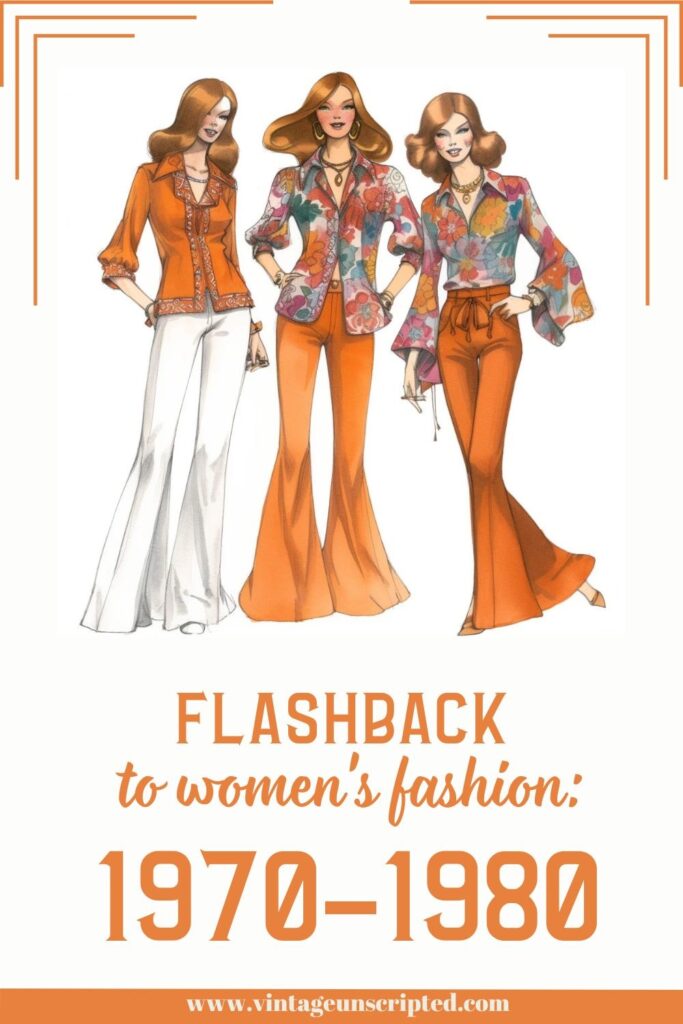
In 1970-1980 the style was heavily inspired by the style of "hippie". Afros/big hair, bell-bottom jeans, and funky patterns were the main style. Party nights at the disco, and at the rollerink were perfect settings for this fashion! Some people who heavily influenced this are Yves Saint Laurent, Halston, Diane von Furstenburg, Cher, and Farrah Fawcett. Materials used to create these outfits include cotton, linen, wool, polyester, acrylic, leather, vinyl, and ripped denim.
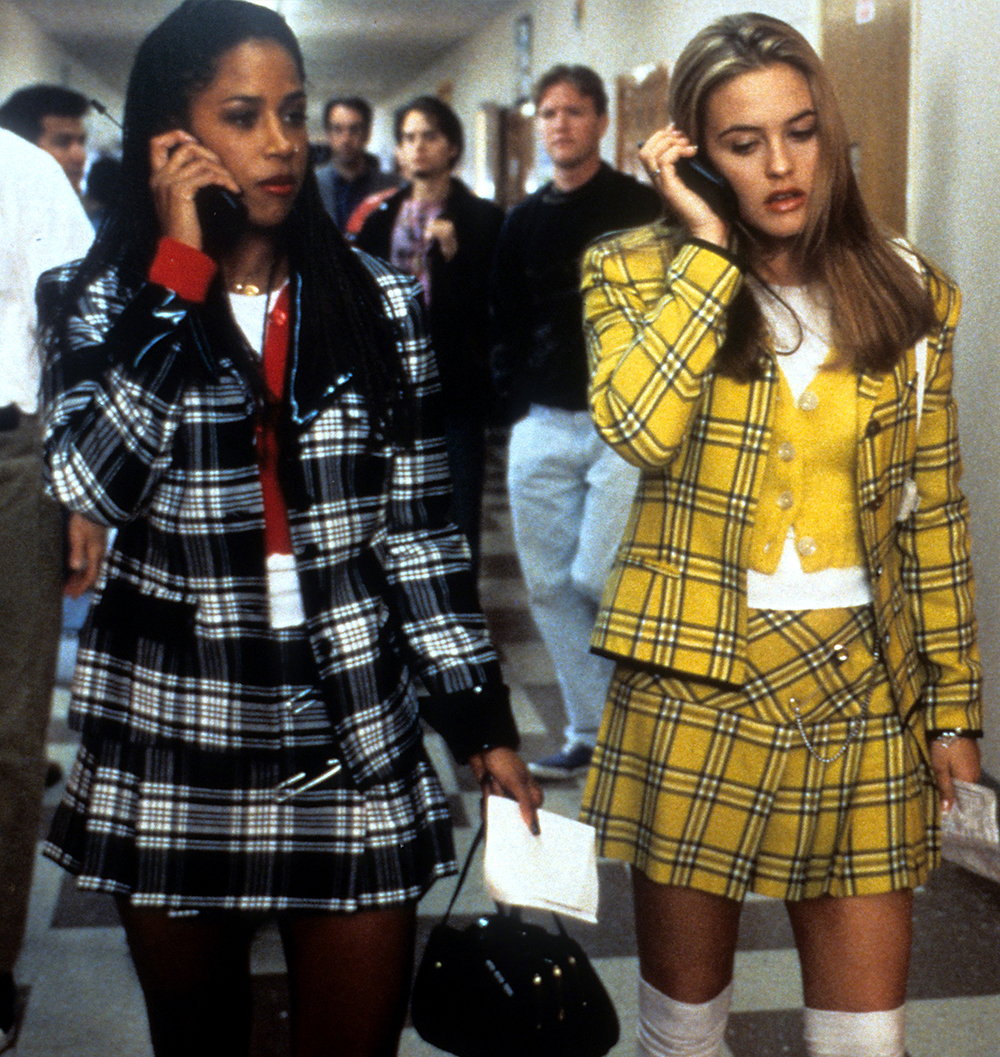
In 1990 fashion was commonly considered as "grunge". People wore denim, leather, and plaid to keep up with these major trend and shift in fashion. Some people who influenced this fashion are Naomi Campbell, Kate Moss, and Calvin Klein. A few materials that were used to make these clothes include denim, flannel, leather, nylon, mesh, satin, metallics, sequins, cotton, and linen.
2000's-2020's
In 2000's-2010's fashion was more casual and hiphop. Most people wore low-rise jeans, rhinestones, baggy jeans, tracksuits, and graphic tees. Some people who heavily influenced this trend are Britney Spears, Avril Lavigne, and Jennifer Lopez. Some materials the used to create these outfits include metallic fabrics, polyester blends, vinyl, denim, cotton jersey, jersey, fleece, and neoprene.
And finally, in the present/2020's fashion is more about comfort and social media trends. There are many people who spark trends in this generation but also media. Some of these include the show Emily in paris, and Black Lives Matter activism. Some materials we use today to create these outfits include cotton, wool, silk, linen, denim, leather, and various knits(like jersey).
- FIT.edu(Fashion History Timeline)
- Fashinnovation

Sources
This Concludes our coding project on The Evolution of Women's Clothing! Thank you for taking the time to listen to our project and any questions?
asdfghjkjhgfdsdfghjkjhgf sdfghjklkjhgfdfghjkjhgfd

1960's-1990's
Our project, The Evolution of Clothing focuses on how clothing style and material has changed through the decades, specifically, the 1900's-2020's
Each section will compare and contrast the different clothing trends between the decades. It will also talk about how things have changed between each decade.