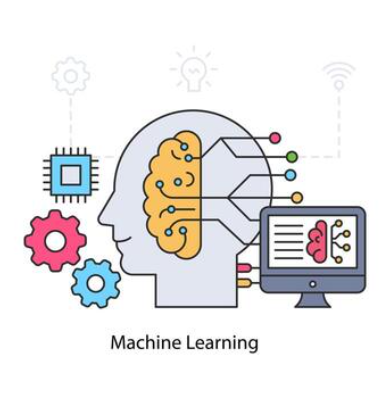
Machine Learning
Systems & Data
This is really the backbone of modern tech. It relies on neural networks to dig through massive datasets, catch hidden patterns, and make smart, automatic adjustments without hardcoded rules.
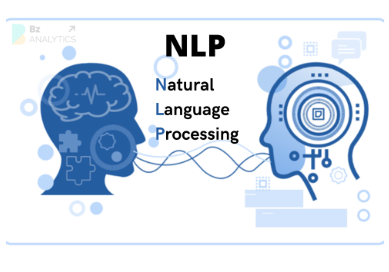
Natural Language
Linguistic Tech
All about helping software bridge the gap with human communication. It enables applications to read context, translate instantly, and generate realistic speech and text that feels natural.
Computer Vision
Visual Perception
Giving computers the ability to actually see the world. Neural systems process raw video loops and multi-dimensional image inputs to identify objects and track environments in real time.
Seeing artificial intelligence move from theoretical research into actual apps has changed the landscape completely. Right now, everyday tools like ChatGPT use transformer architectures to handle conversations fluidly. On the flip side, autonomous vehicles rely on fast edge-computing setups to process street grids quickly and navigate busy city traffic safely.
It goes way beyond consumer apps, too. Specialized deep learning setups are making a massive difference in bio-engineering. These diagnostic systems scan complex medical imagery to find anomalies incredibly fast, outperforming traditional analysis tools and helping doctors provide accurate care sooner.
As these networks grow, design details matter just as much as the algorithms. Organizing complex technical insights cleanly with padding, structured borders, and logical layouts makes research accessible, shareable, and easy to build upon worldwide.
- Goodfellow, Ian, Yoshua Bengio, and Aaron Courville. Deep Learning. MIT Press, 2016.
- Joshi, Pratik. "NLP (Natural Language Processing) Techniques." Stackademic, 2024.
- Russell, Stuart, and Peter Norvig. Artificial Intelligence: A Modern Approach. 4th ed., Pearson, 2020.
- Skywell Software. "Top 6 Computer Vision Techniques and Algorithms."
- University of Central Florida. "What is Artificial Intelligence (AI) and Why People Should Learn About It."
- Vecteezy. "Machine Learning Free Vector Graphics."